Pavement Marking Services for Road Safety
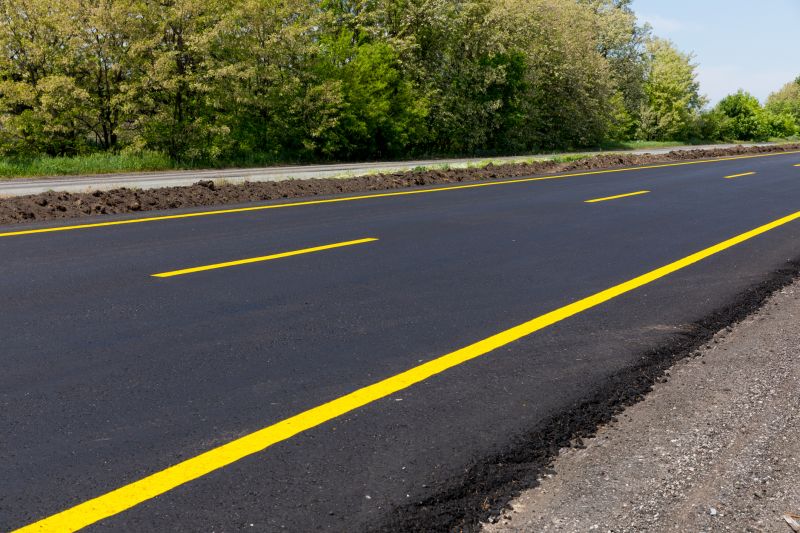
A newly paved and marked road during optimal weather conditions ensures longevity and visibility.
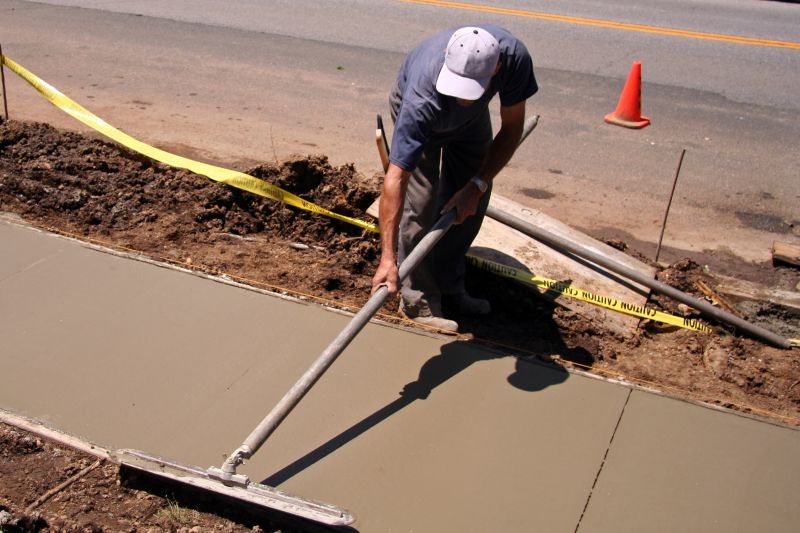
Ideal temperatures and dry weather are essential for proper adhesion and durability of pavement markings.
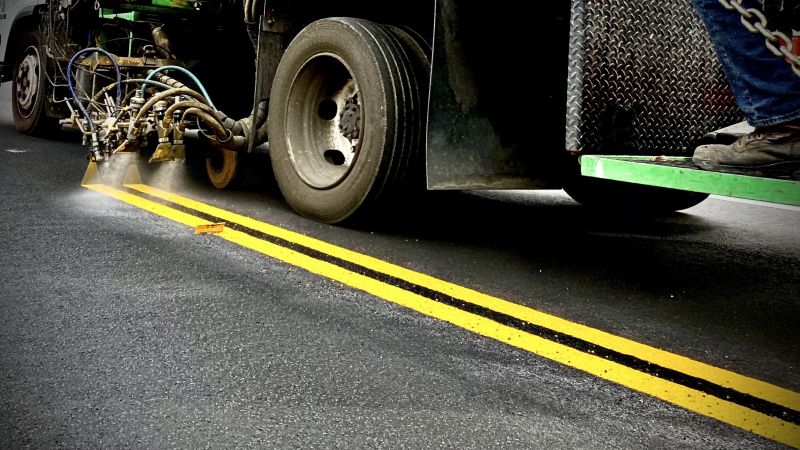
Scheduling during low traffic periods minimizes disruptions and allows for precise application.
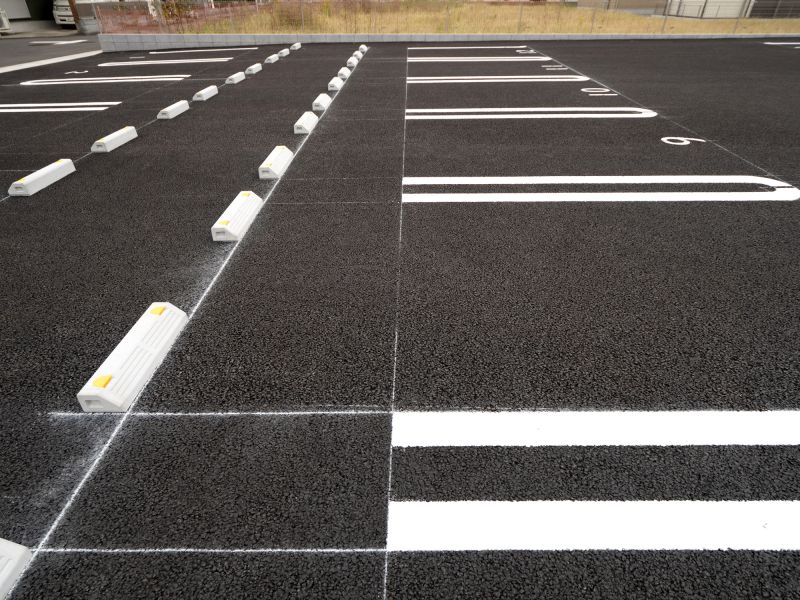
Ways to make Pavement Marking Service work in tight or awkward layouts.
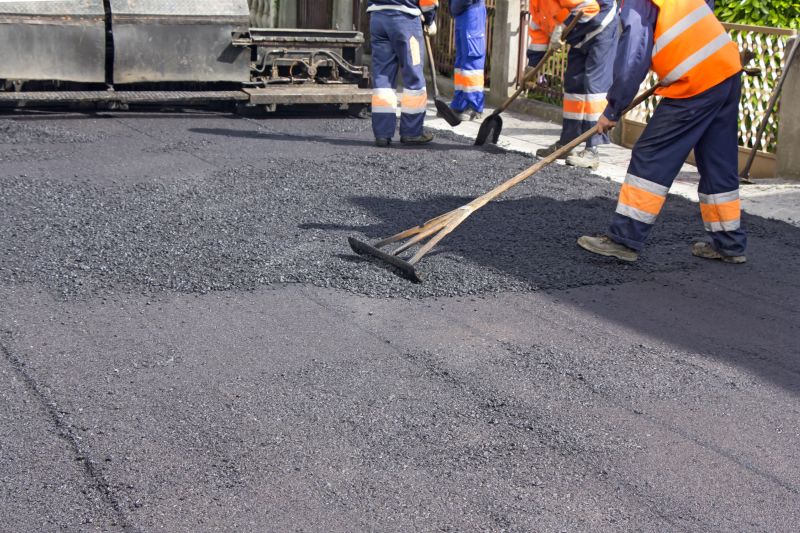
Popular materials for Pavement Marking Service and why they hold up over time.
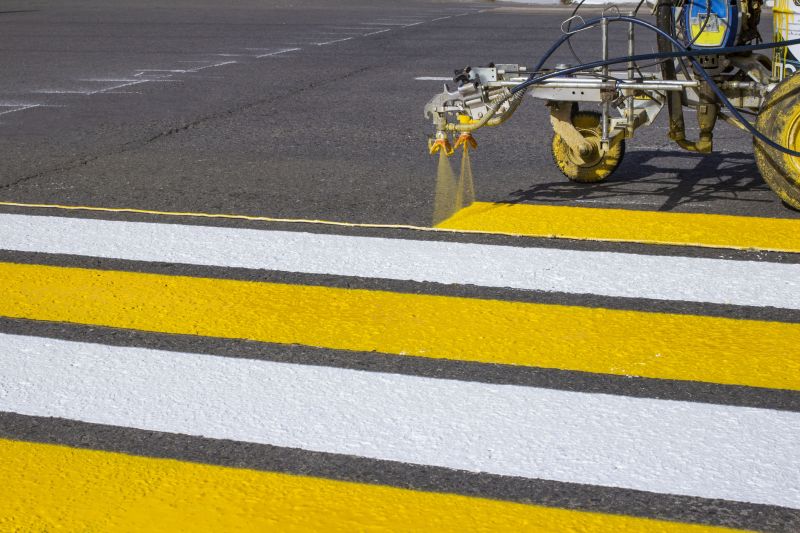
Simple add-ons that improve Pavement Marking Service without blowing the budget.
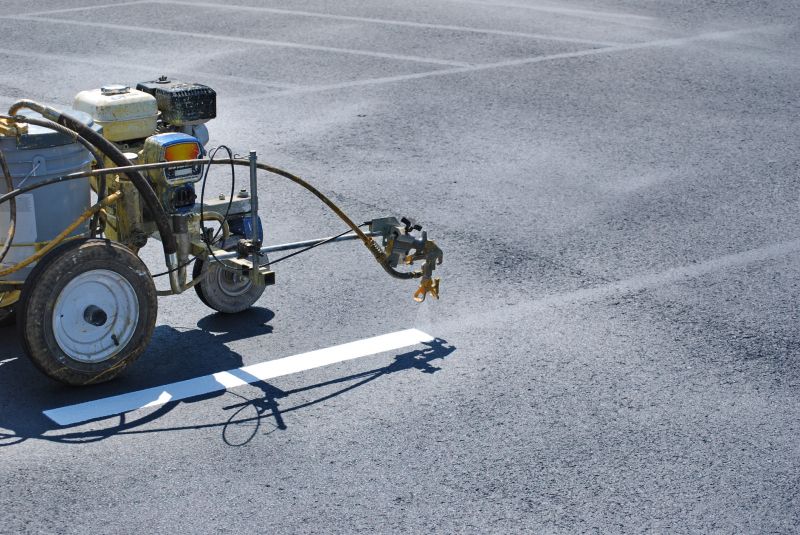
High-end options that actually feel worth it for Pavement Marking Service.
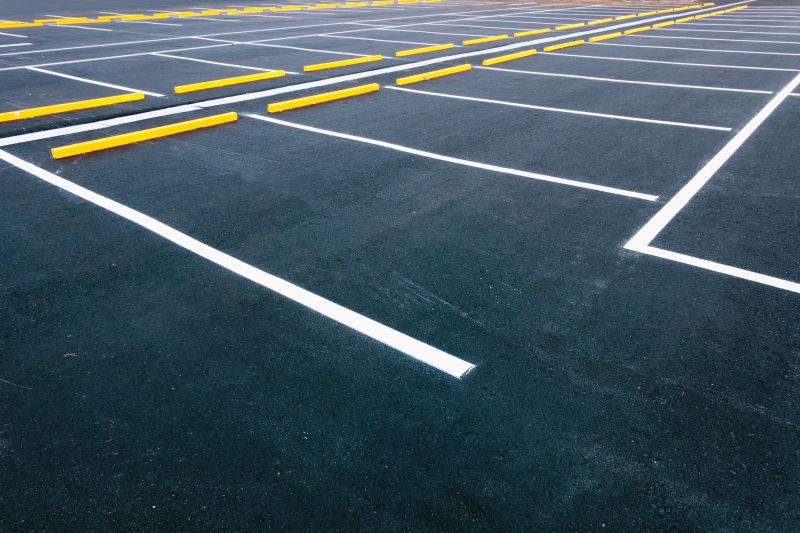
Finishes and colors that play nicely with Pavement Marking Service.
Pavement marking service involves the application of lines, symbols, and other indicators on road surfaces to guide traffic, enhance safety, and delineate lanes. Proper markings are crucial for traffic management and accident prevention. The durability of pavement markings depends heavily on weather conditions, surface preparation, and application techniques. Regular maintenance and repainting are necessary to maintain visibility and compliance with traffic regulations. Statistics indicate that well-maintained markings can reduce accidents by up to 20%, emphasizing their importance in roadway safety.
Applying pavement markings during dry, warm weather ensures better adhesion and longer-lasting results.
Ideal temperatures for pavement marking application typically range between 50°F and 90°F.
Spring and early summer are often the best seasons for pavement marking projects due to favorable weather.
Clean, dry surfaces are essential for optimal application and durability of markings.
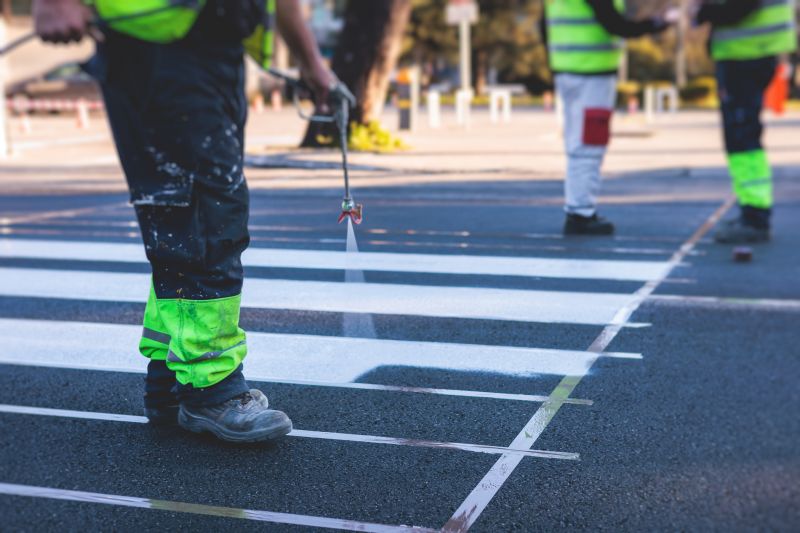
Applying fresh pavement markings on a dry, clear day.
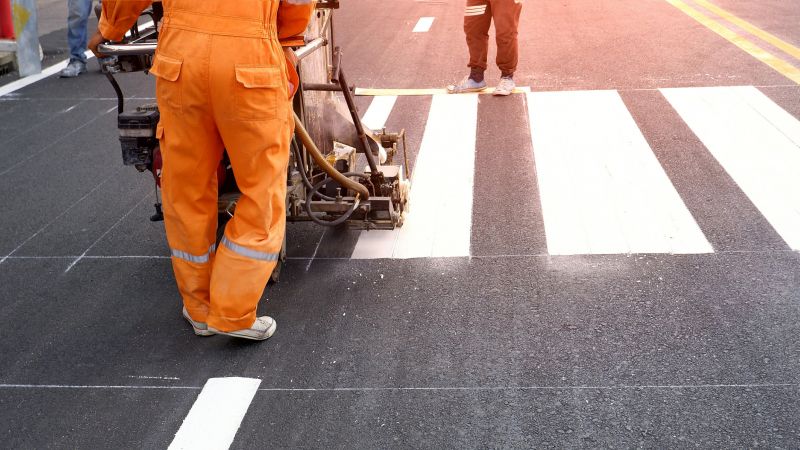
Monitoring weather to choose optimal application times.
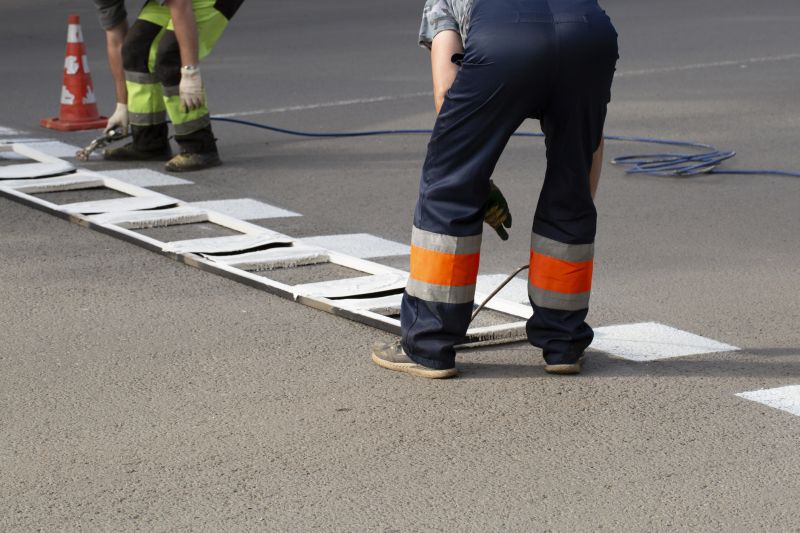
Scheduling during low traffic hours minimizes disruptions.
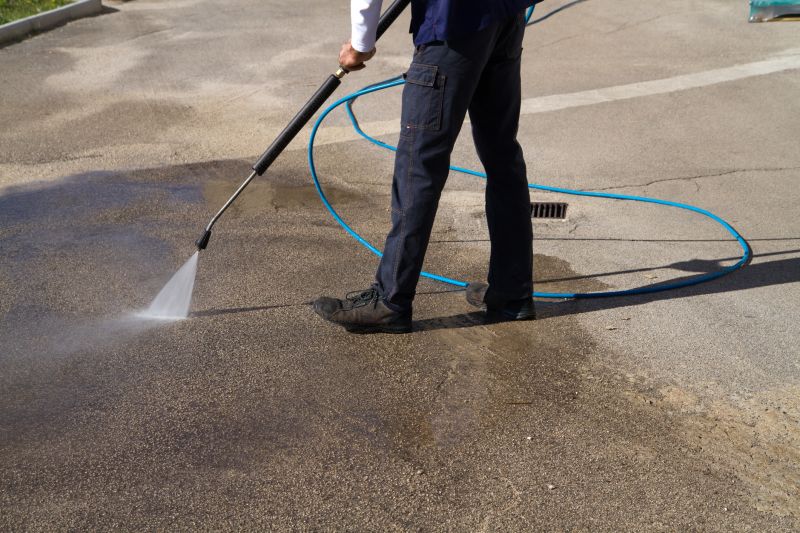
Ensuring surface cleanliness before marking.
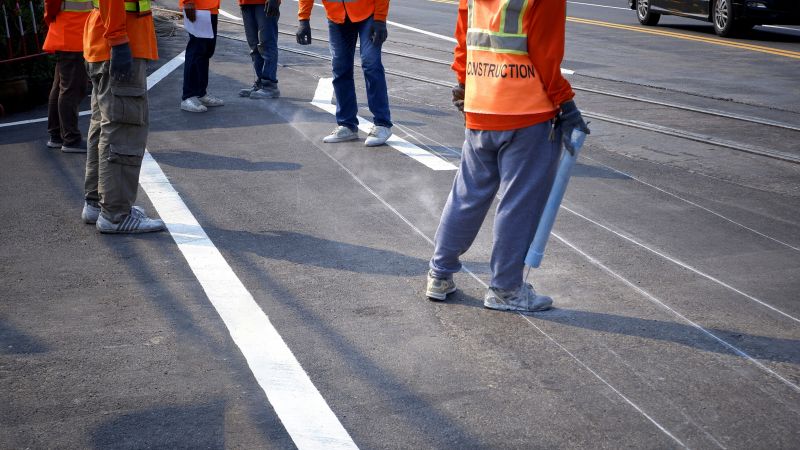
Bright, well-applied markings improve safety.
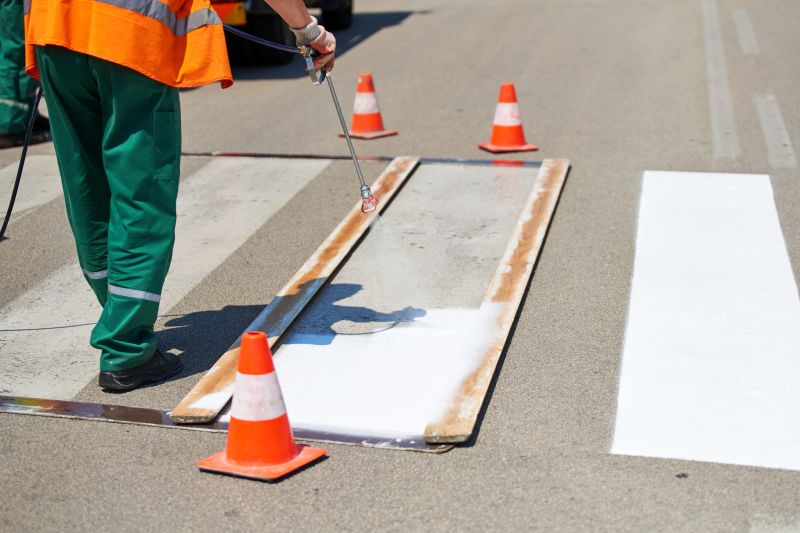
Repainting for longevity and safety.
| Timing Factors | Details |
|---|---|
| Weather Conditions | Dry, warm weather enhances adhesion and durability. |
| Temperature Range | Ideal application temperatures are between 50°F and 90°F. |
| Season | Spring and early summer offer optimal conditions. |
| Traffic Volume | Scheduling during off-peak hours reduces disruptions. |
| Surface Condition | Clean, dry surfaces are necessary for best results. |
| Precipitation | Avoid application during rain or high humidity. |
| Time of Day | Early mornings or late evenings are preferred for low traffic. |
| Project Size | Larger projects may require extended planning for optimal timing. |
Choosing the right time for pavement marking service ensures the longevity and visibility of the markings. Weather plays a significant role, with dry, warm conditions promoting better adhesion and faster curing times. Scheduling during periods of low traffic minimizes safety risks and allows for more precise application. Proper timing also helps reduce the need for frequent repainting, resulting in cost savings and improved safety standards.
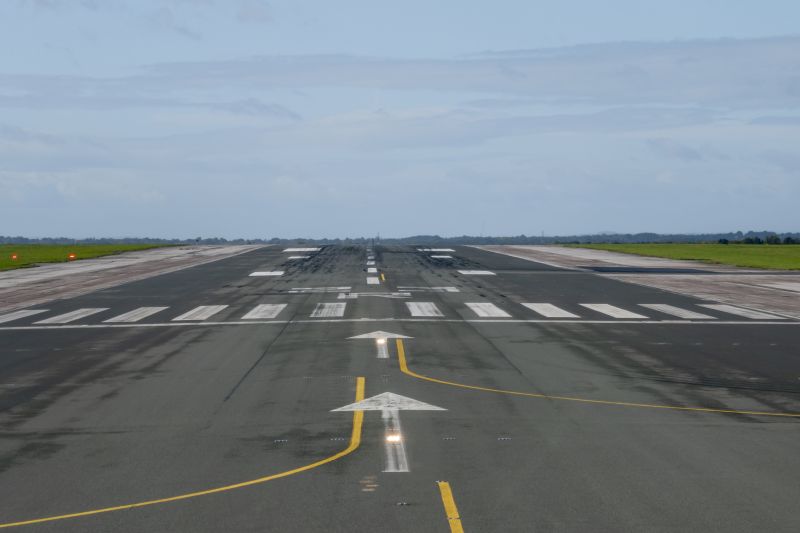
Optimal conditions lead to high-quality pavement markings.
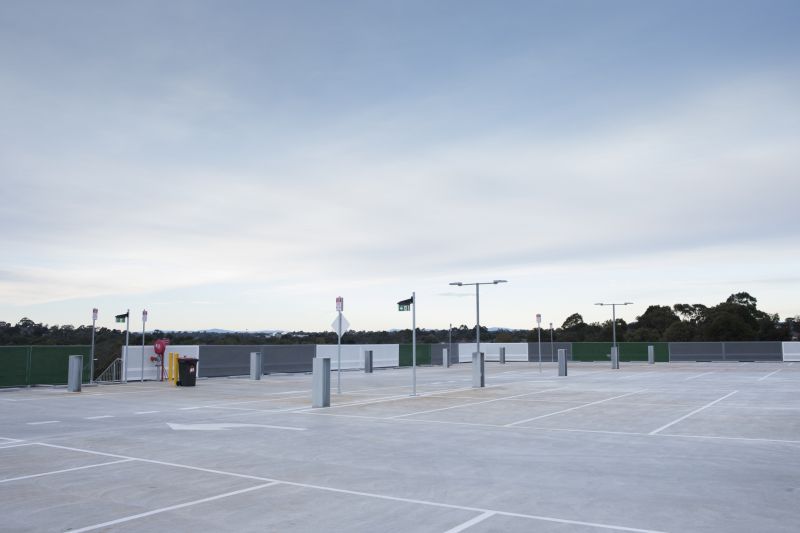
Scheduling during off-peak hours minimizes disruptions.
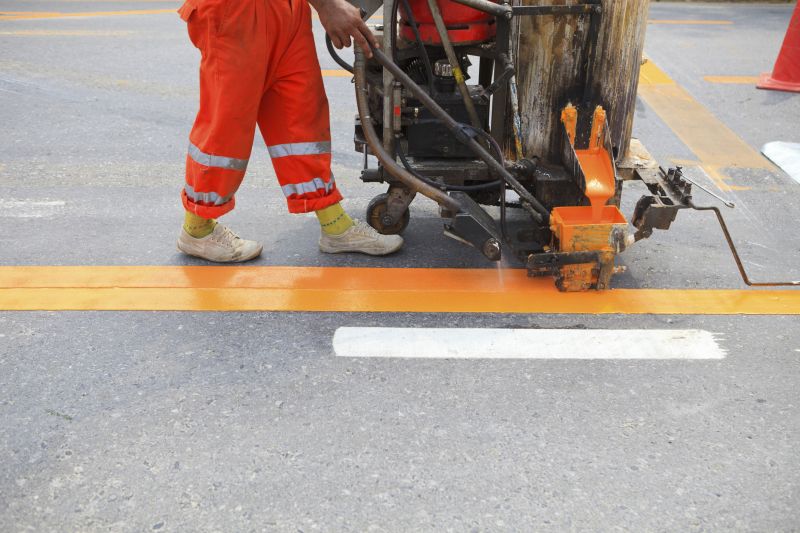
Clean surfaces are vital for durable markings.
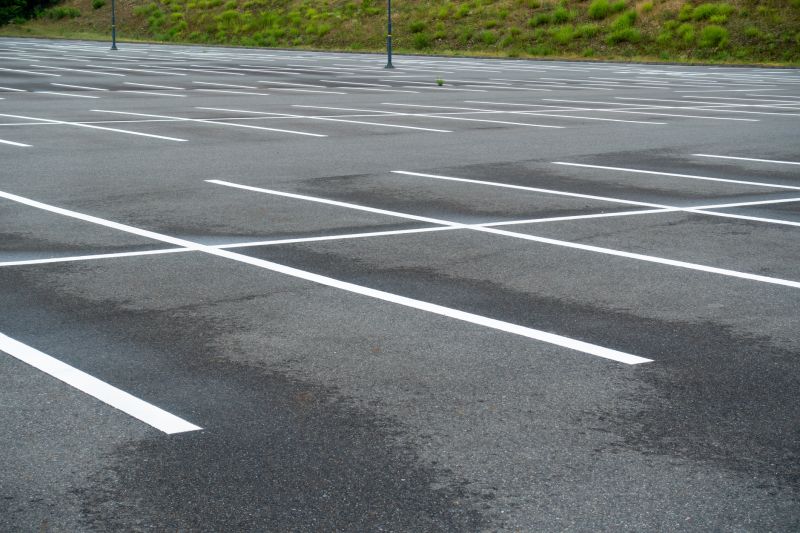
Proper timing results in clearer, longer-lasting lines.
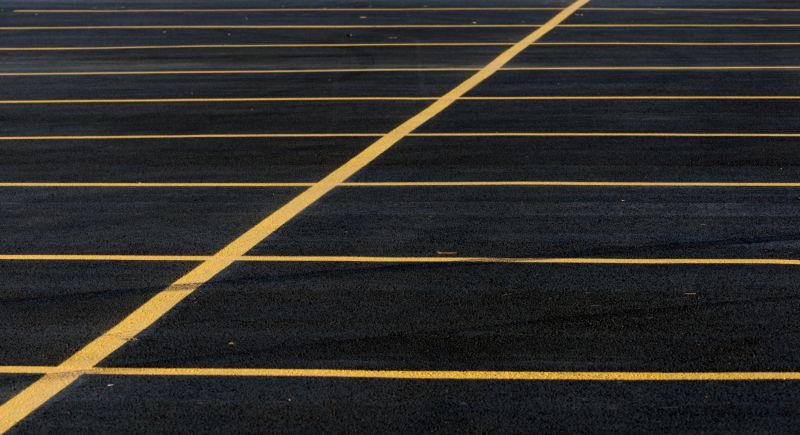
A 60-second routine that keeps Pavement Marking Service looking new.
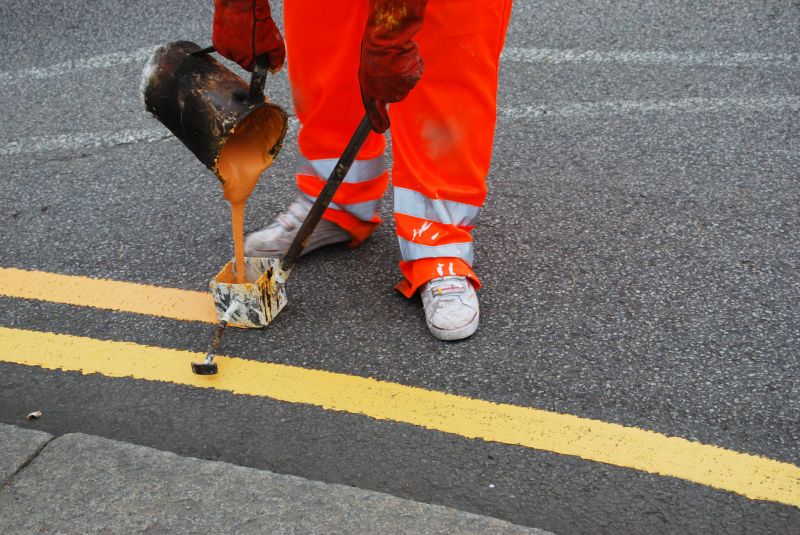
A frequent mistake in Pavement Marking Service and how to dodge it.
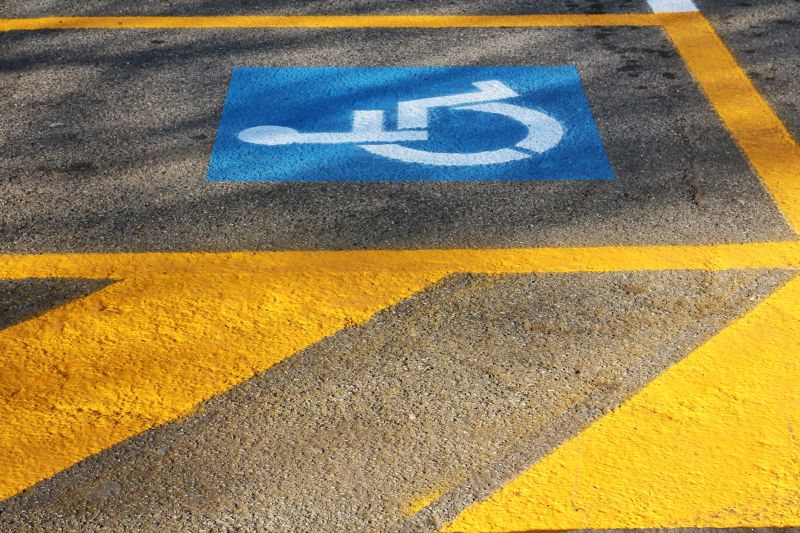
Small tweaks to make Pavement Marking Service safer and easier to use.
Lower-waste or water-saving choices for Pavement Marking Service.
Interested in pavement marking services? Contact for more information or to schedule an appointment.